IDF planning 3 more weeks of operations to systematically degrade Iran’s defense industry
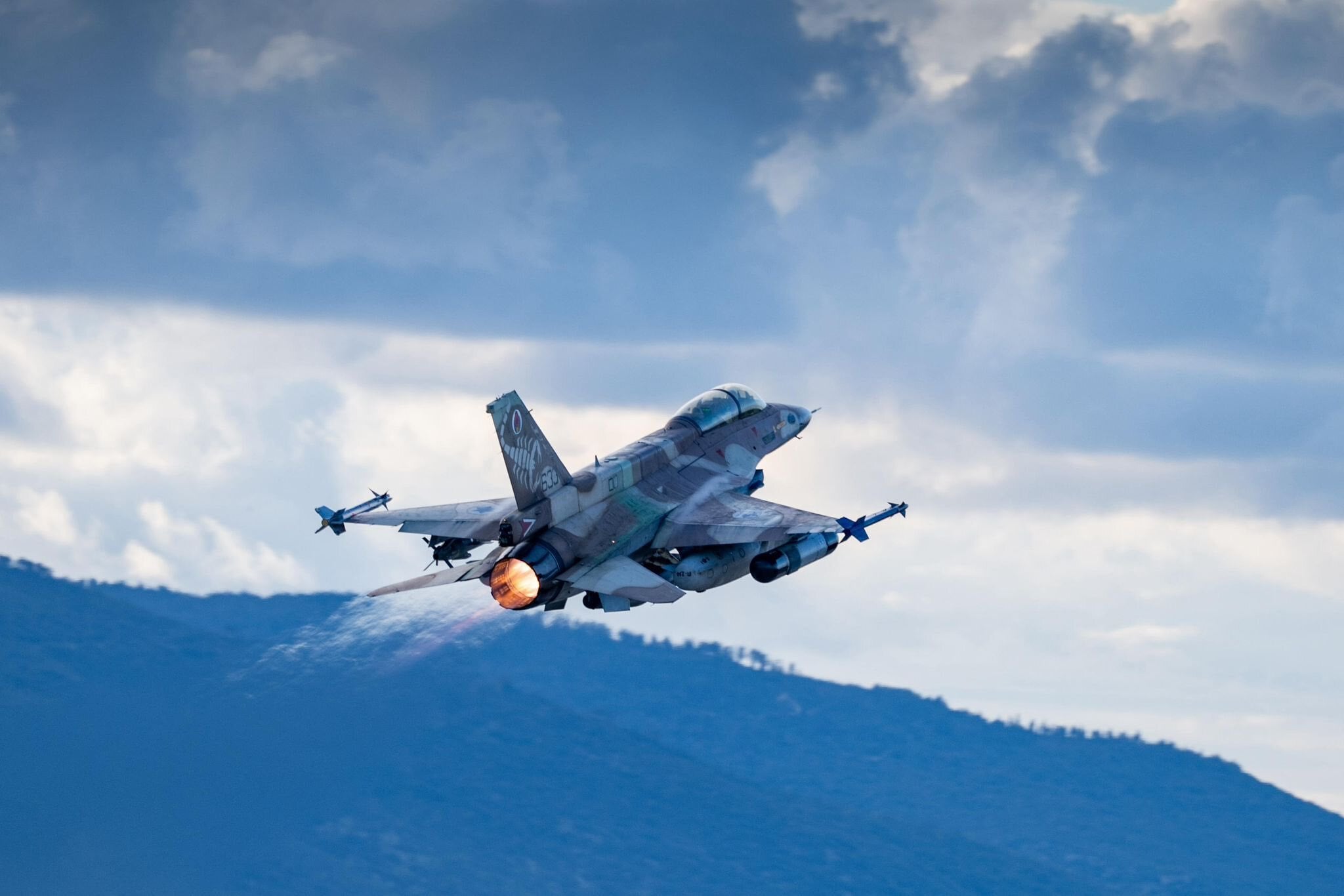
The Israel Defense Forces’ campaign in the joint war with the United States against Iran is proceeding according to plan, and at a faster pace than initially expected, military officials said on Sunday, with strikes on Iran’s defense industries expected to further ramp up alongside ongoing efforts to reduce missile fire on Israel.
Despite being apparently ahead of schedule, the military has said it is preparing for at least three more weeks of operations in Iran, as it still has thousands more targets to hit, both in Tehran and in other parts of the country.
“We have thousands of targets ahead,” IDF Spokesman Brig. Gen. Effie Defrin told CNN on Sunday. “We are ready, in coordination with our US allies, with plans through at least the Jewish holiday of Passover, about three weeks from now. And we have deeper plans for even three weeks beyond that.”
Following Israel’s decapitation strikes that opened the war on February 28, killing Iran’s supreme leader Ali Khamenei and more than 40 top Iranian officials, and subsequent strikes on ballistic missile launchers and air defense systems, the IDF is now focusing its efforts on destroying Iran’s military industry, according to the officials.
The officials said that the current campaign against Iran is different from the 12-day war in June 2025, and far more extensive.
During the previous war, Israel sought to counter the “existential threat” of Iran imminently developing a nuclear weapon, as well as its ramped-up production of ballistic missiles. The current war has given the IDF an opportunity to not only remove the “existential Iranian threat” to Israel, but also Iran’s “strategic threat” on the Jewish state “for the foreseeable future,” the officials said.
Therefore, the IDF is seeking to systematically degrade Iran’s entire defense industry, including its ballistic missile capabilities, in addition to its nuclear program.
The defense industry of Iran is extensive, with numerous military bodies and private companies manufacturing weapon systems — or components — including ballistic missiles, air defenses, naval weapons, cyber capabilities, and even spy satellites.
Israel has targeted Iran’s military industry in the past, including in October 2024 when the Israeli Air Force bombed planetary mixers used to make solid fuel used in long-range ballistic missiles. During the 12-day war in June 2025, Israel again struck various sites used by Iran to build ballistic missiles, air defense systems, and other weapons.
Now, the officials said, the IDF would not spare a single facility used by Iran to develop weapons, along the entire production chain. So far, during the ongoing war, Israel has hit over 1,700 assets of Iran’s military industry, and it has many hundreds more on its list.
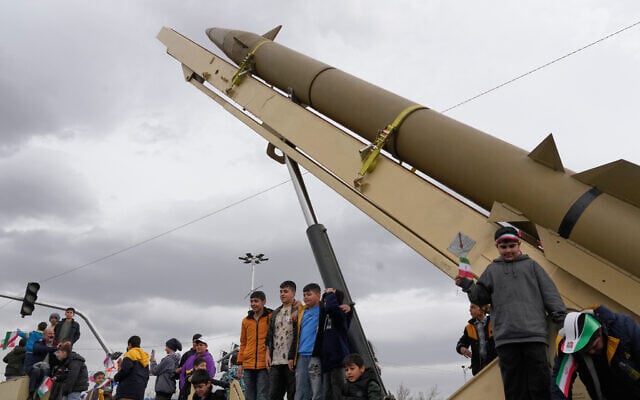
This includes the larger firms that are part of Iran’s Islamic Revolutionary Guard Corps — which manufacture Iran’s ballistic missiles and other weapons — as well as smaller companies that develop various components.
The officials said that these strikes have caused significant damage to Iran’s ballistic missile production industry, and as a result, it currently does not have the ability to manufacture any new missiles.
Israel has also been targeting Iran’s nuclear program, striking numerous targets related to the development of atomic weapons, including research and development sites and companies building various components.
Meanwhile, the officials said, strikes in Iran continue to also focus on “centers of power,” including headquarters and command centers of the regime’s protest repression forces — the internal security forces and Basij paramilitary force.
The IDF has estimated that between 4,000 and 5,000 Iranian soldiers have been killed in Israeli strikes, along with tens of thousands more wounded, many of them members of the internal security forces and Basij.
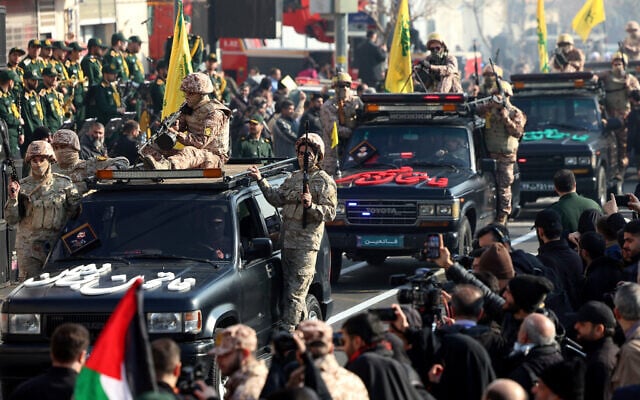
The military has also identified declining morale among Iranian soldiers, refusal to serve in some cases, and desertion, according to the officials.
This phenomenon has mainly taken place in Iran’s ballistic missile array, according to the officials, who said that strikes against manned command centers and replacement headquarters have led to a drastic reduction in missile fire toward Israel in recent days.
The IAF has also continued to “hunt down” Iran’s missile launchers, reporting that it destroyed dozens in recent days, including some armed for attacks on Israel.
So far, the military has claimed to have destroyed or disabled around 70 percent of Iran’s estimated 500 ballistic missile launchers, though it is believed to be relatively simple for Iran to build new launchers, as it did following the June 2025 war.
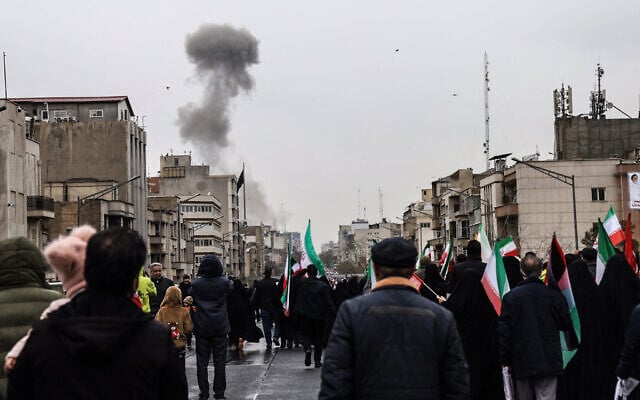
Strikes also continue against Iran’s air defense systems. Within 24 hours of the war, the IDF reported achieving aerial superiority in parts of Iran, which enabled large-scale strikes in Tehran and other areas with a lower risk to Israeli fighter jet pilots.
The military officials said that the IAF now has air supremacy in most of Iran’s airspace, after taking out more than 100 air defense systems and around 120 detection systems.
The officials also said the IDF would continue to operate against the Quds Force, the extraterritorial arm of the IRGC, both in Iran and in Lebanon.
Israel launched its campaign against Iran, alongside the US, to degrade the Iranian regime’s military capabilities, distance threats posed by Iran, and “create the conditions” for the Iranian people to topple the regime, the military and other Israeli leaders have said.